Cold-water Corals
The biology and geology of deep-sea coral habitats
Contents
Reviews
‘This volume represents a major benchmark in our understanding of deep-water coral habitats
and provides a springboard for the continuing studies of these dynamic and biodiverse
environments in the deep sea.’
Professor Paul Tyler, National Oceanography Centre
University of Southampton, UK
‘A must for anyone interested in this fascinating but still poorly known deep-sea fauna.’
Dr Tony Koslow, Director, California Cooperative Oceanic Fisheries Investigations
(CalCOFI) Scripps Institution of Oceanography, USA
‘Roberts, Wheeler, Freiwald and Cairns have produced a remarkable text that will set the
standard for many years to come.’
Professor Imants G. Priede, Director, Oceanlab
University of Aberdeen, UK
‘The major merit of this book is both to demonstrate the richness of cold water coral ecosystems and their ecological complexity but also their vulnerability, the gaps in our knowledge and the need to protect them rapidly, especially those found within the High Seas outside of any current jurisdiction.’
Professor Denis Allemand, Scientific Director Centre Scientifique de Monaco
For more reviews see below.
Published by Cambridge University Press
Also available from Amazon.com and other retailers
Online appendix
Phylogenetic list of 711 valid Recent azooxanthellate scleractinian species, with their junior synonyms and depth ranges. Last revised October 2021 (Stephen D. Cairns).
Gallery
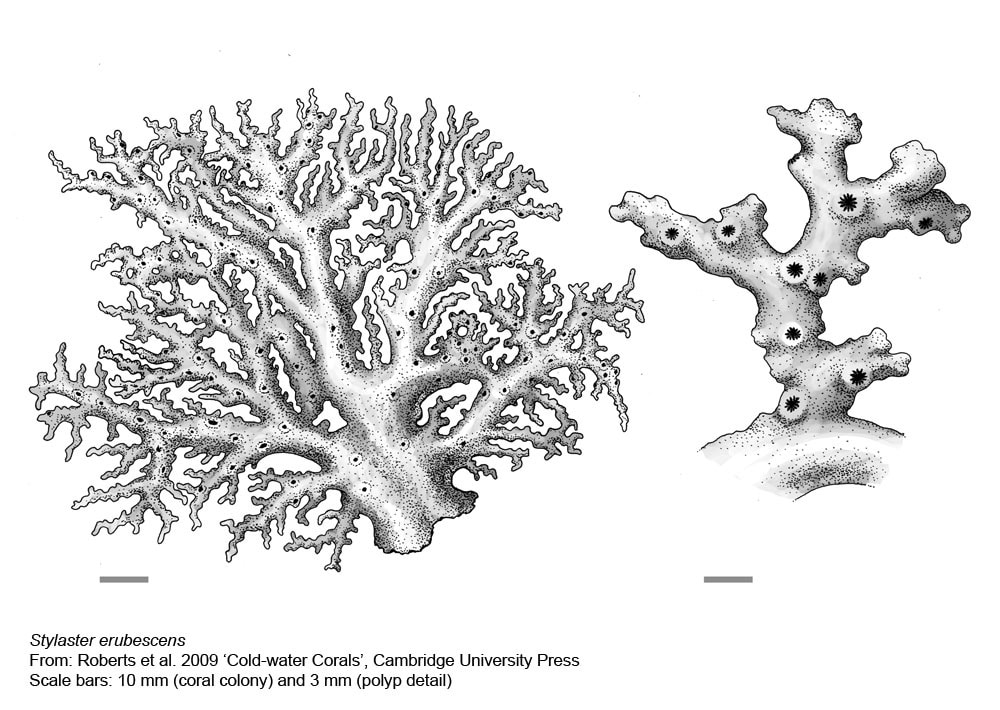
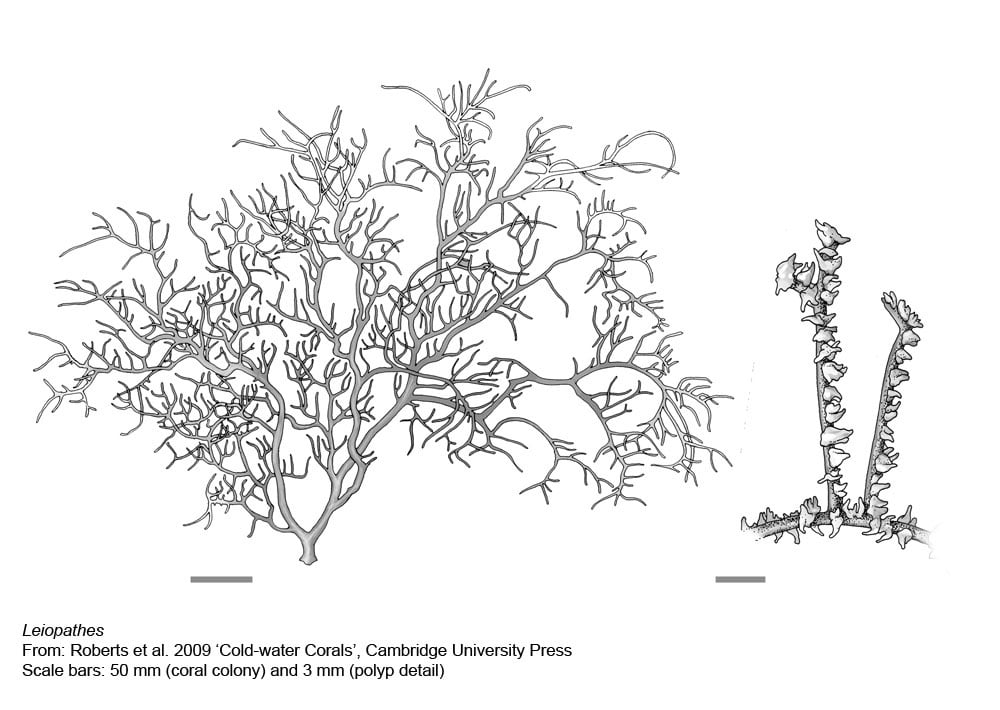
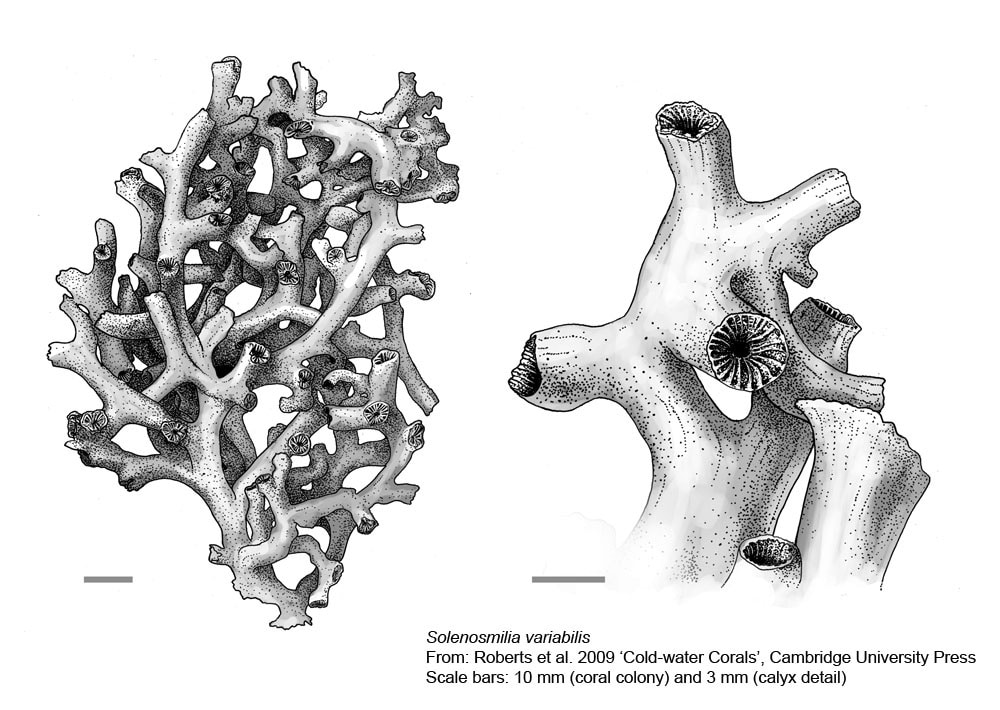
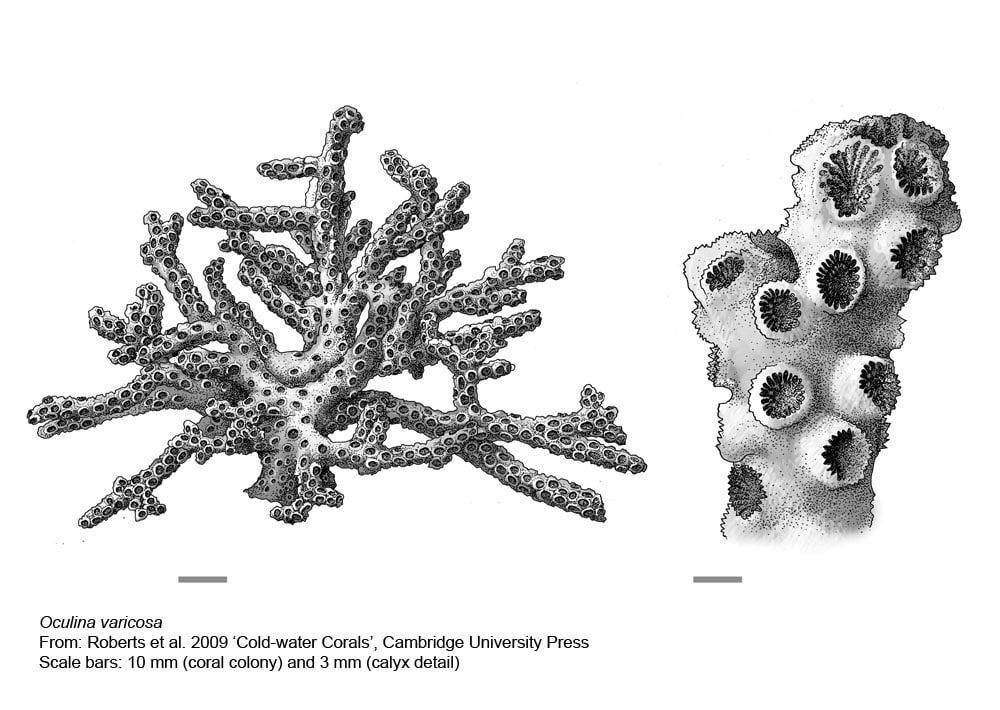
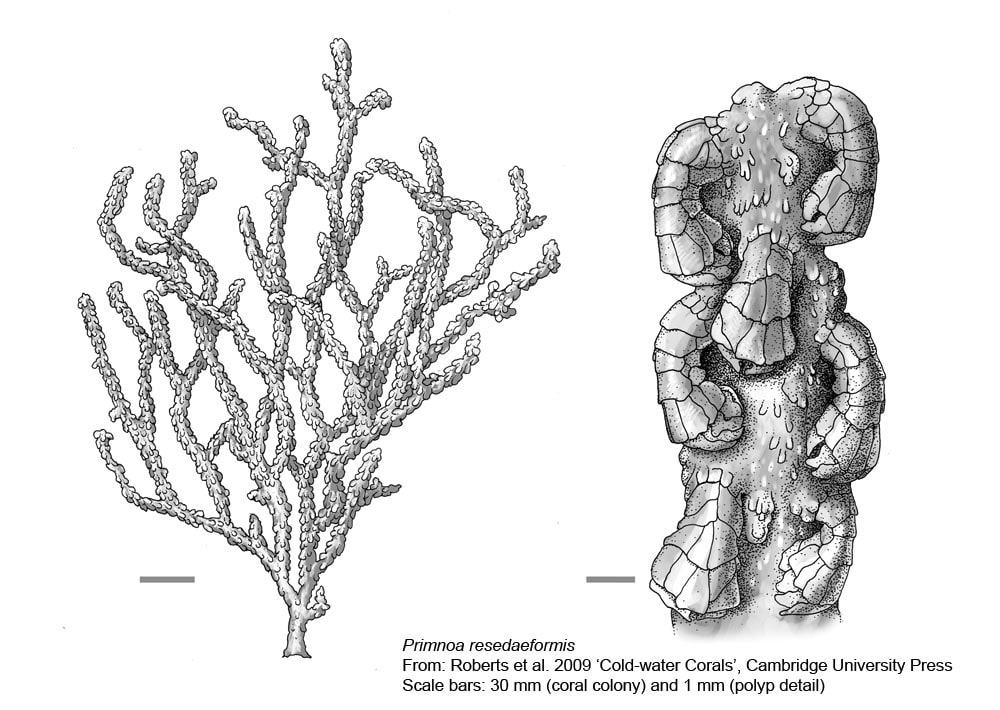
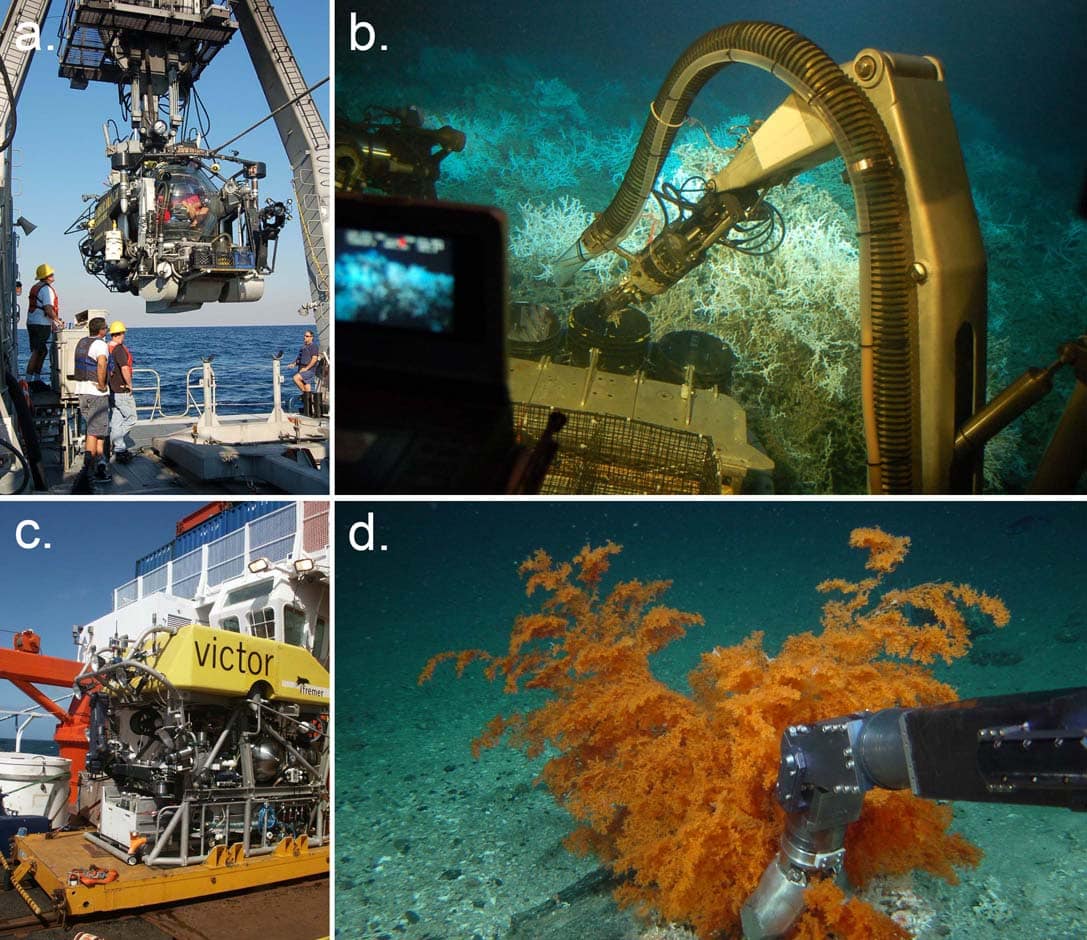
‘Cold-water Corals’ is illustrated with 53 halftone figures and 29 colour plates.
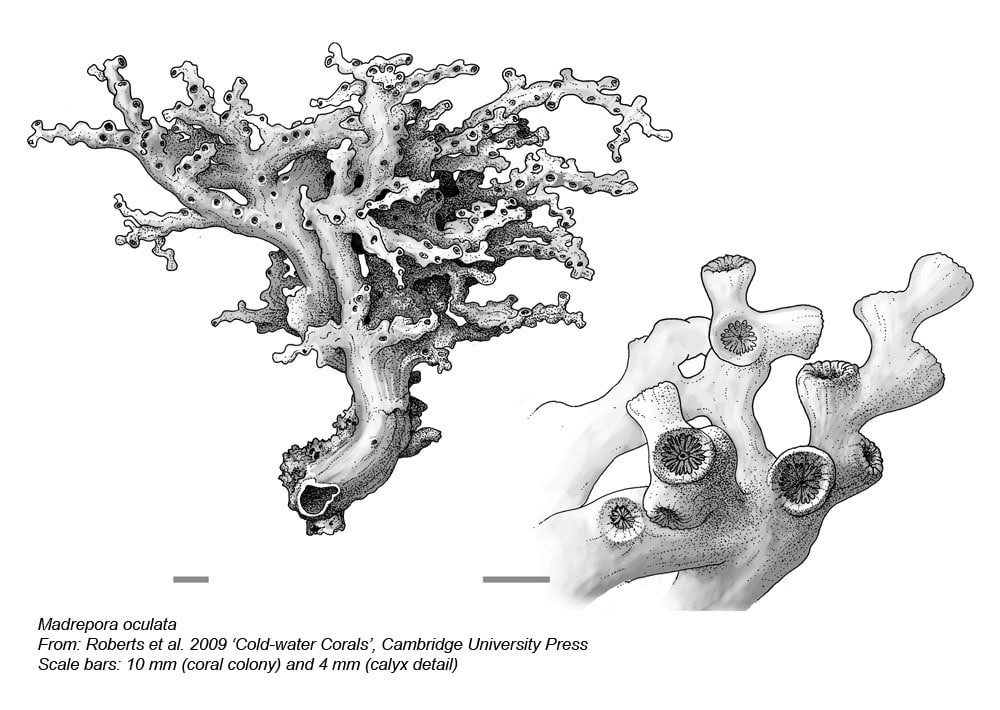
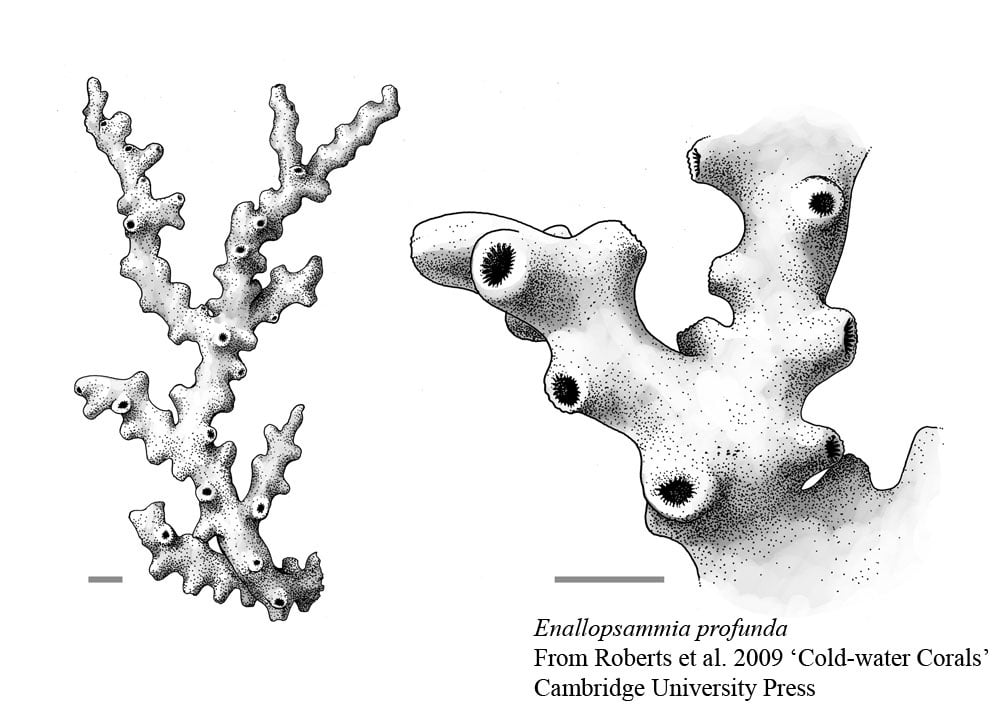
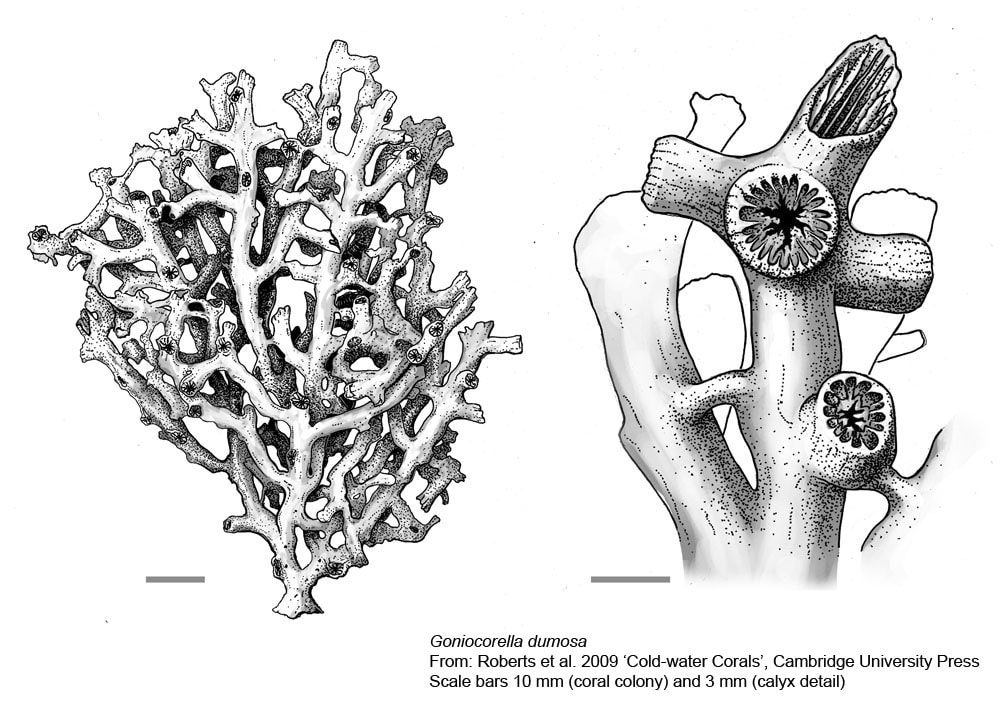
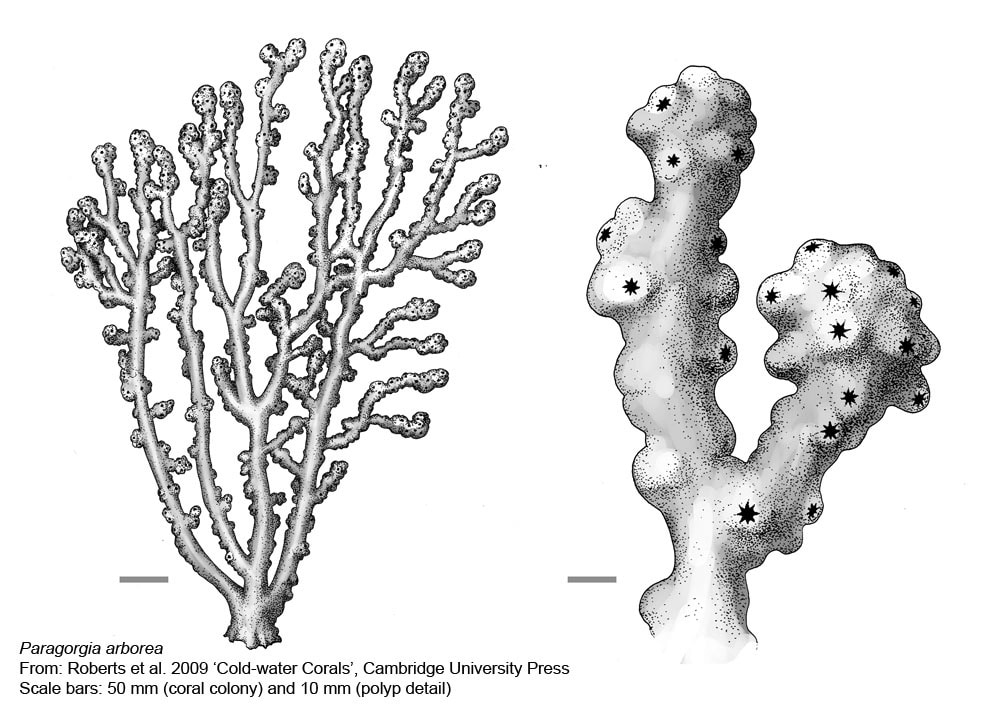
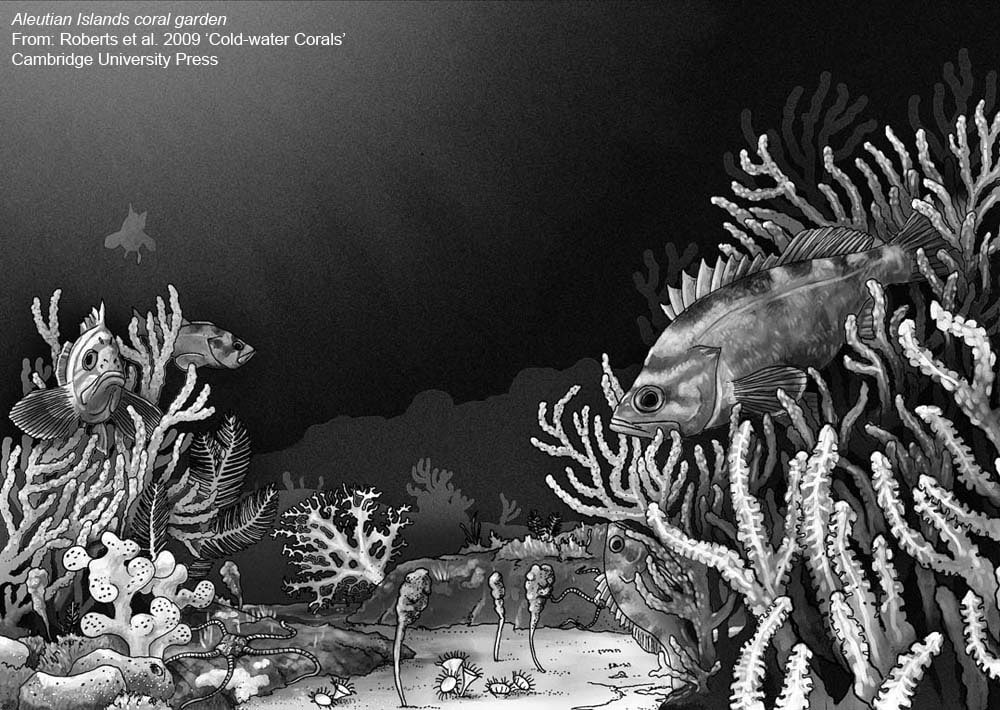
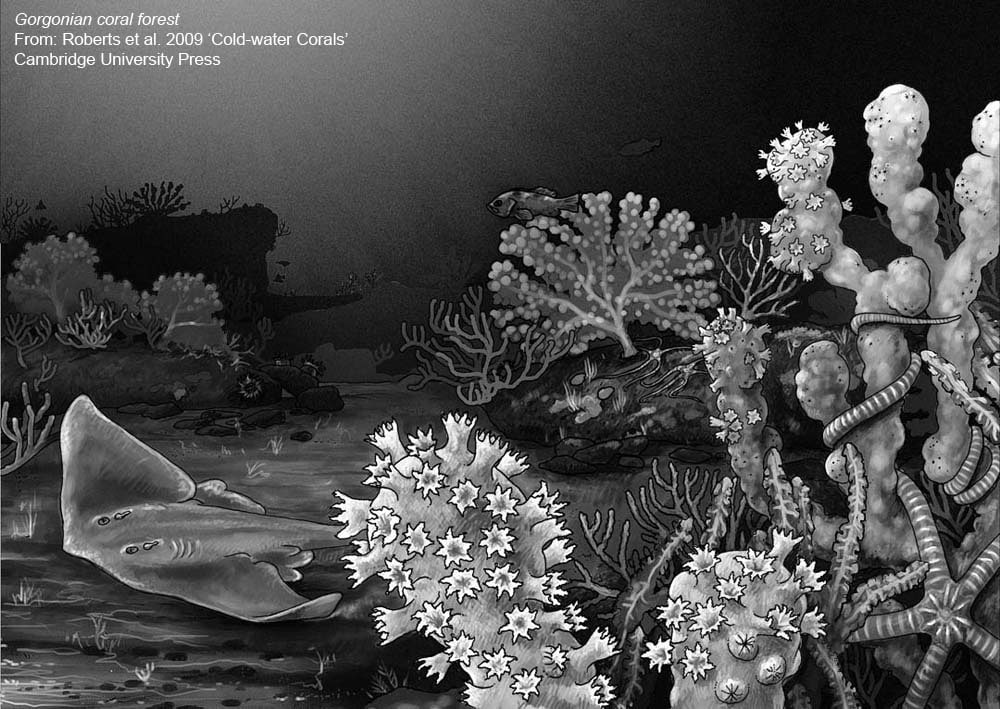
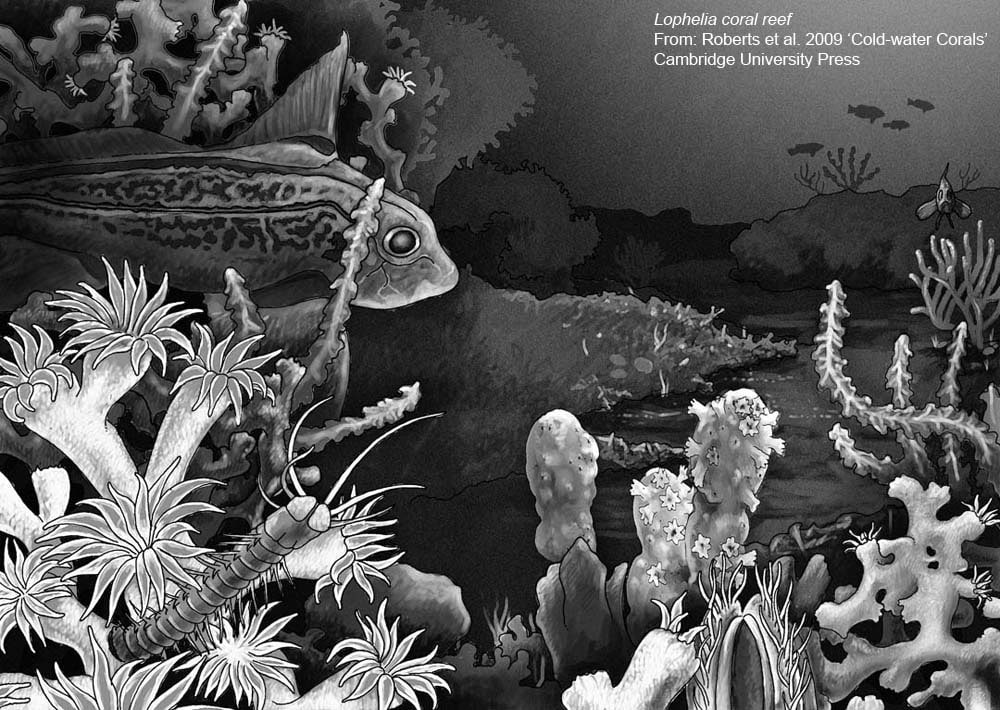
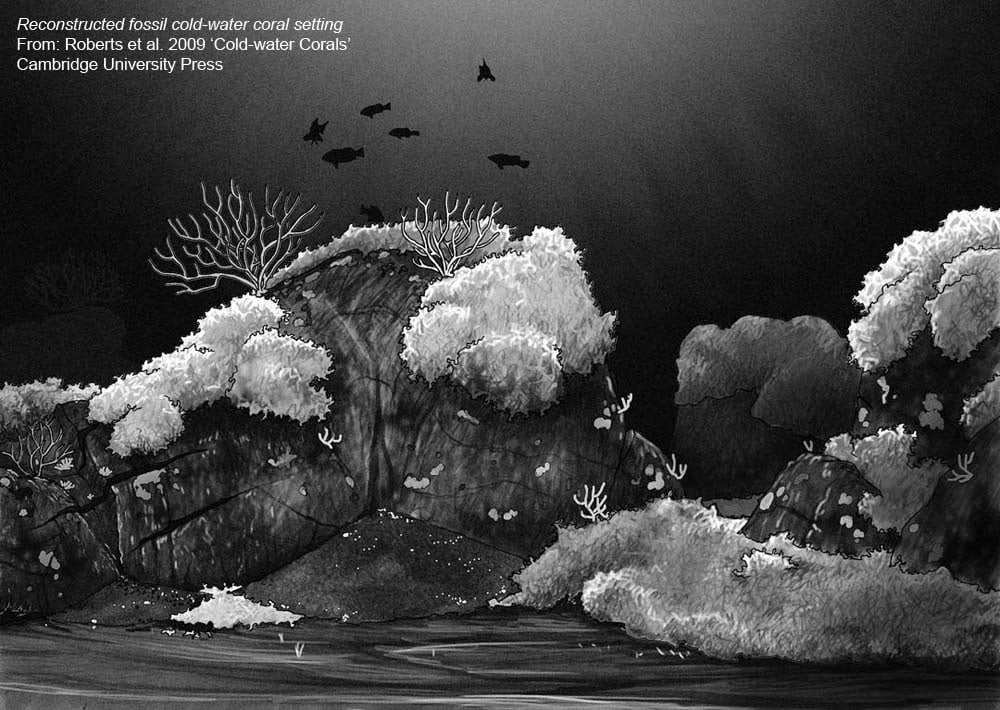
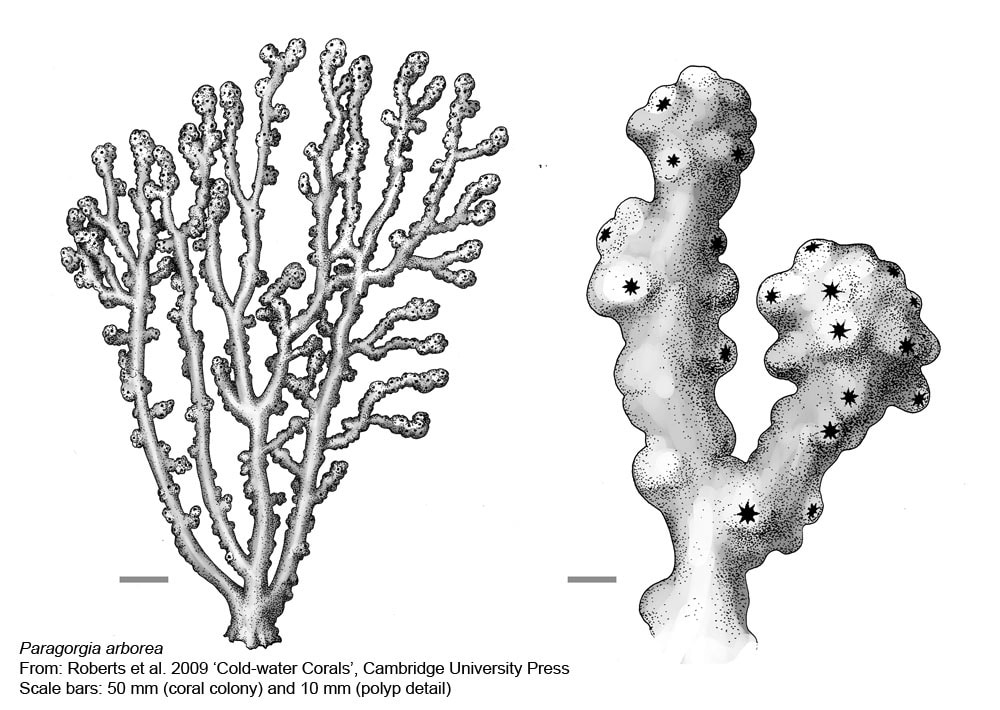
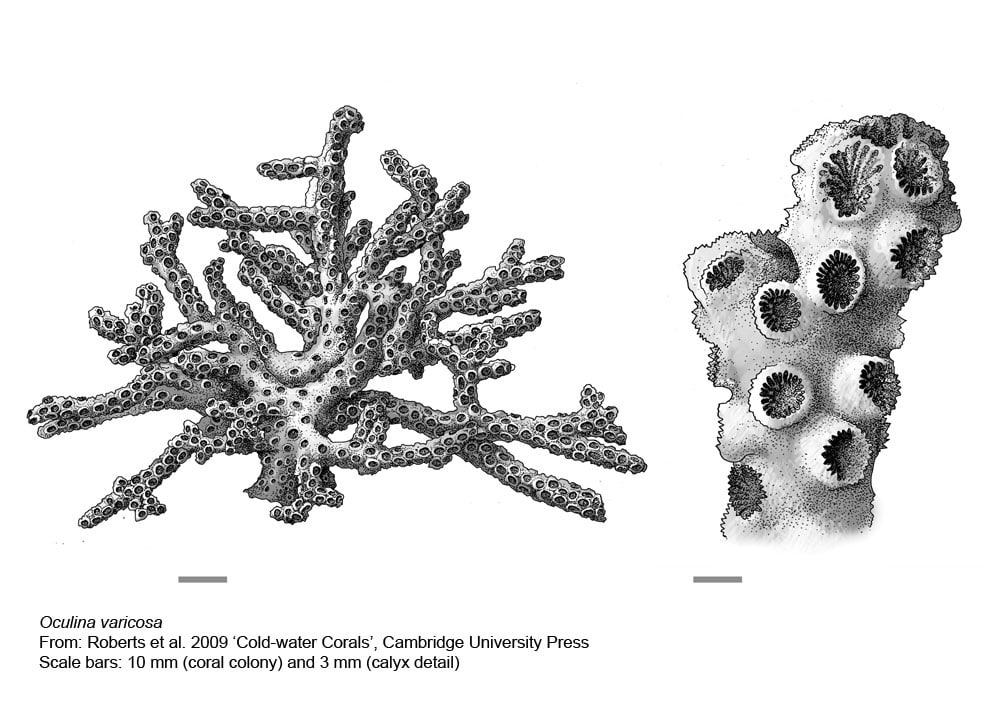
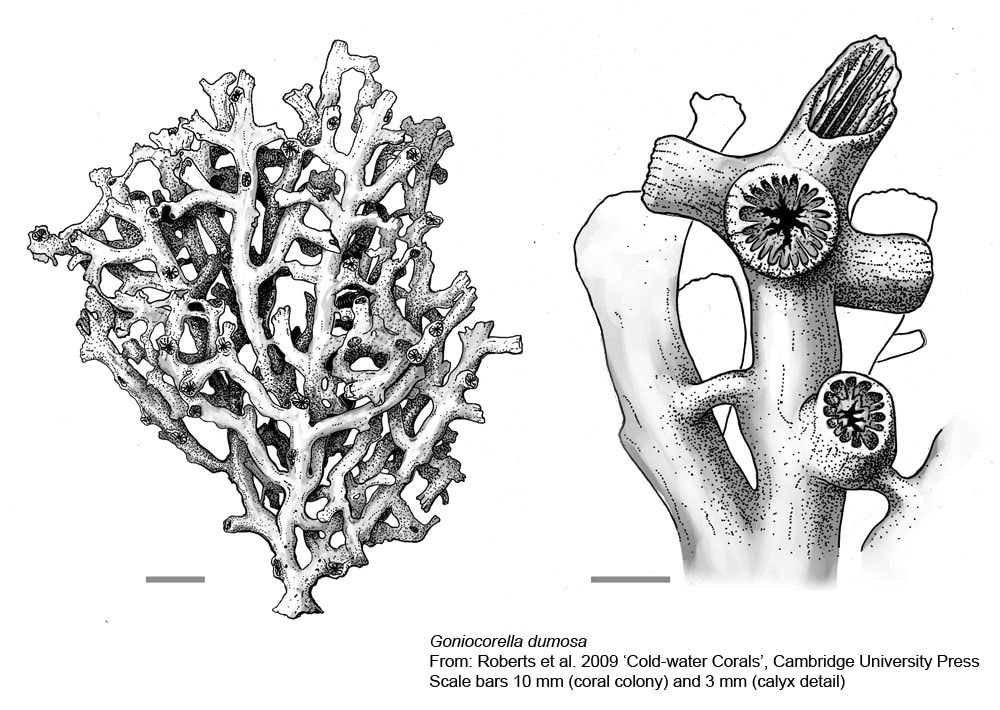
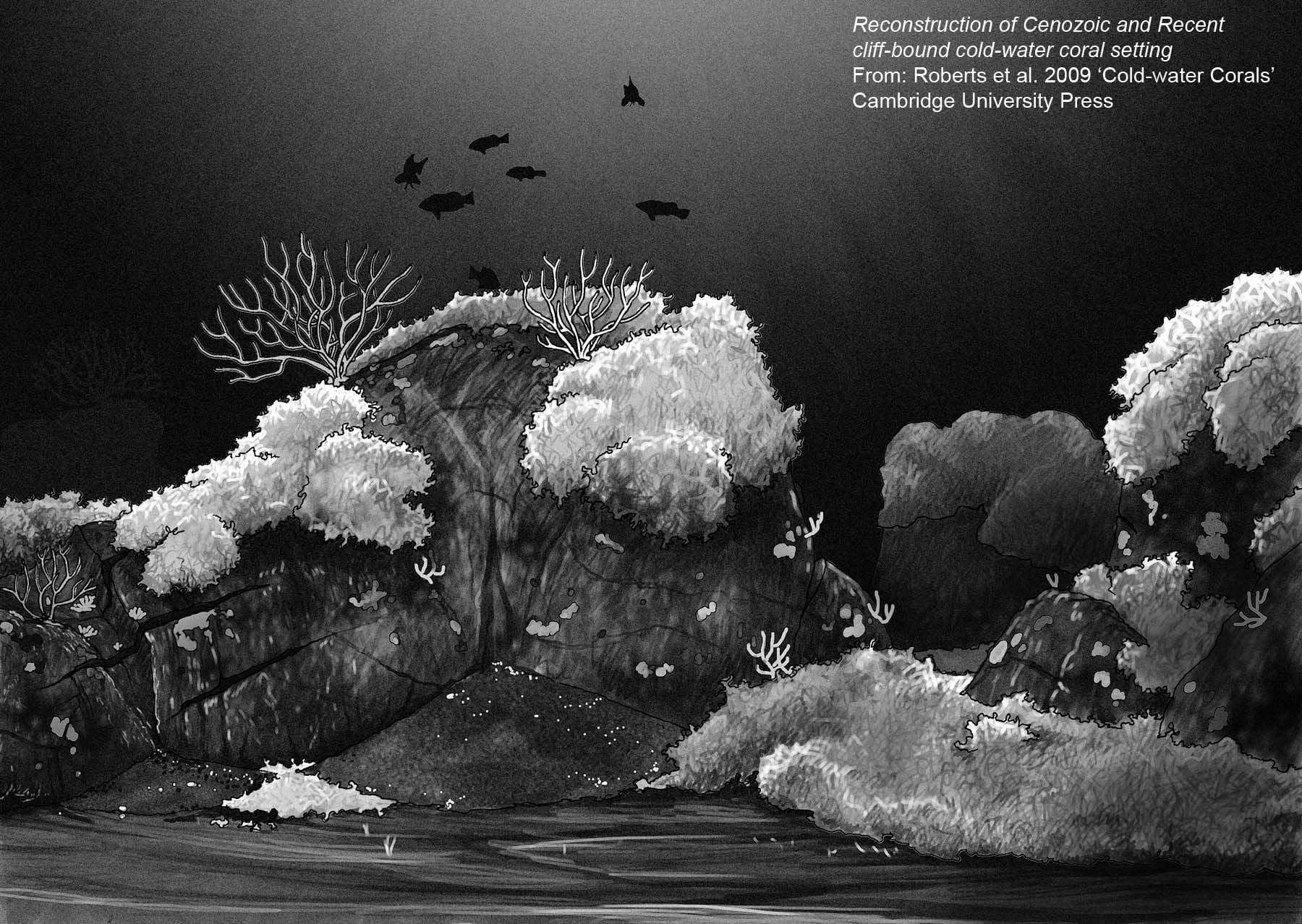
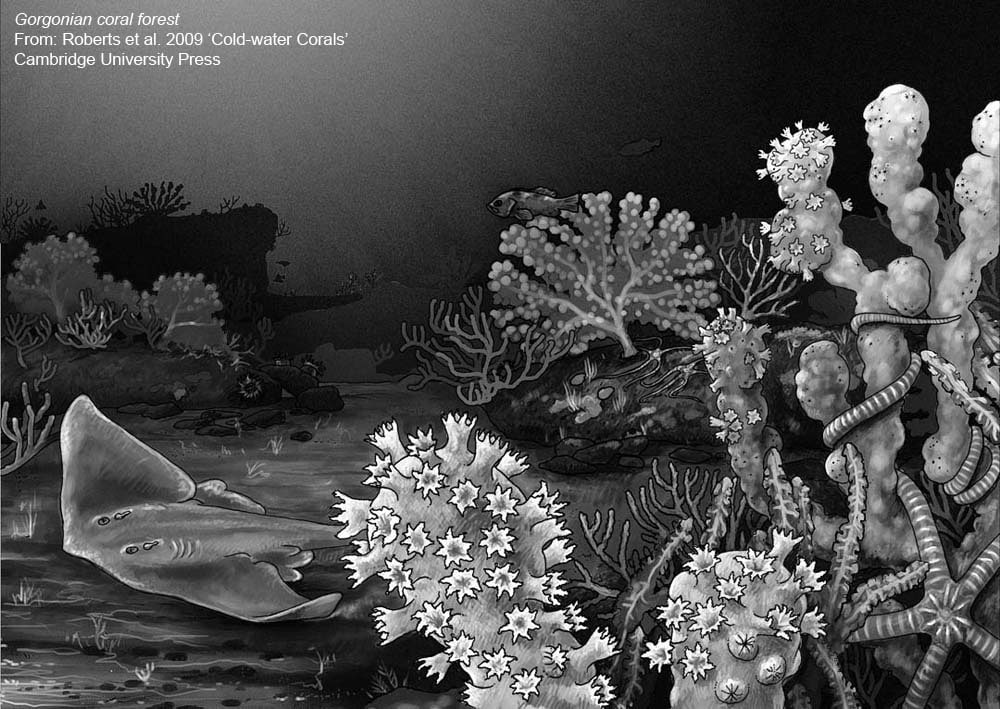
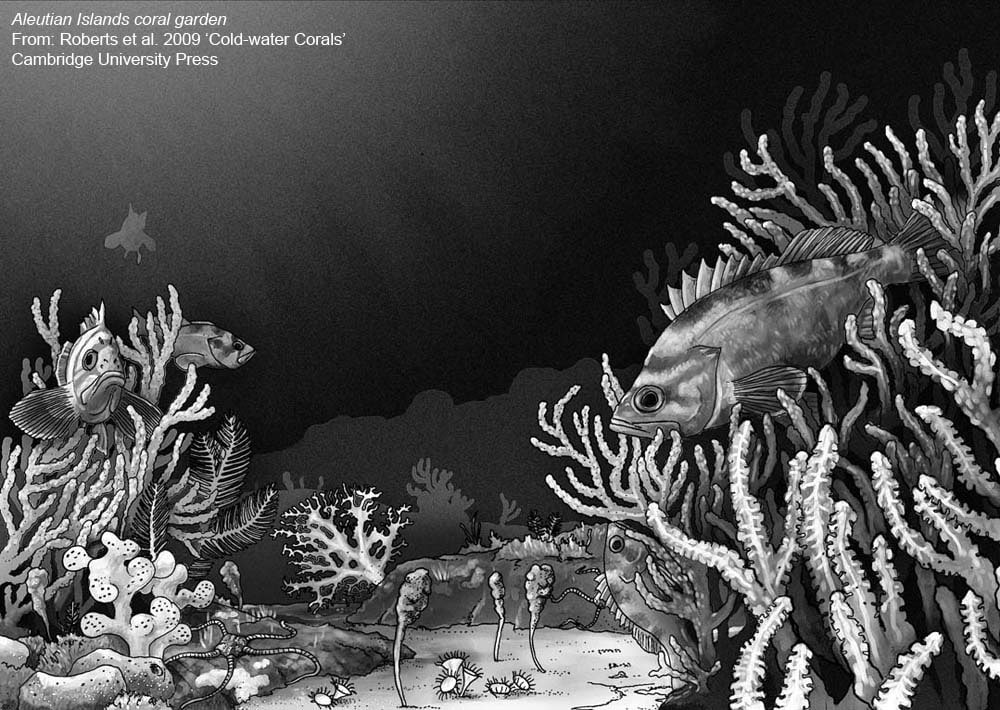
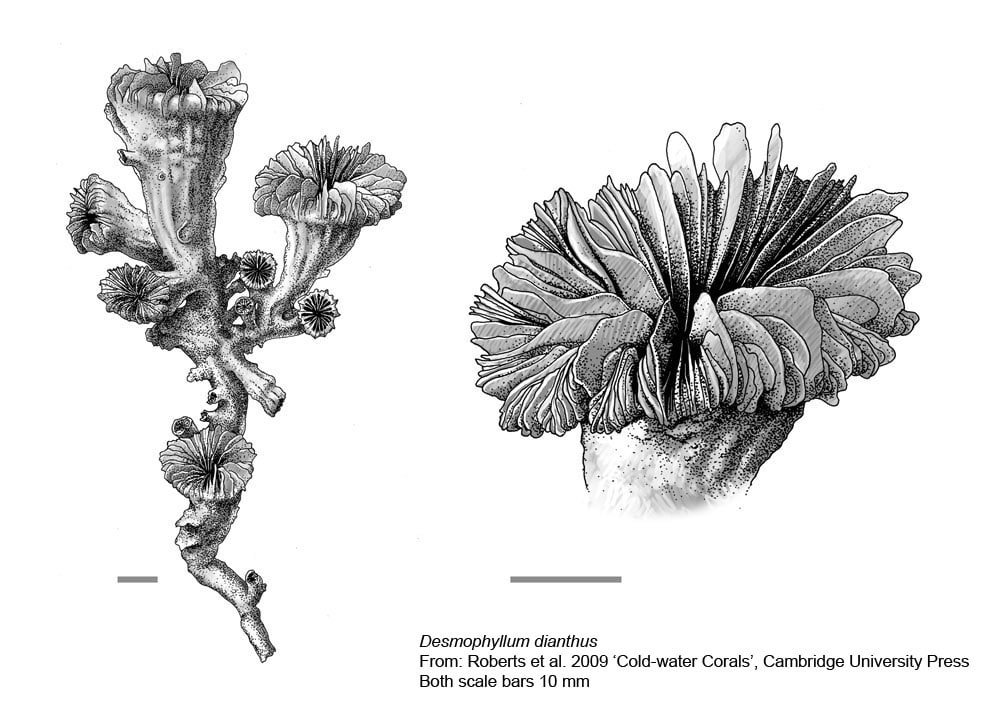
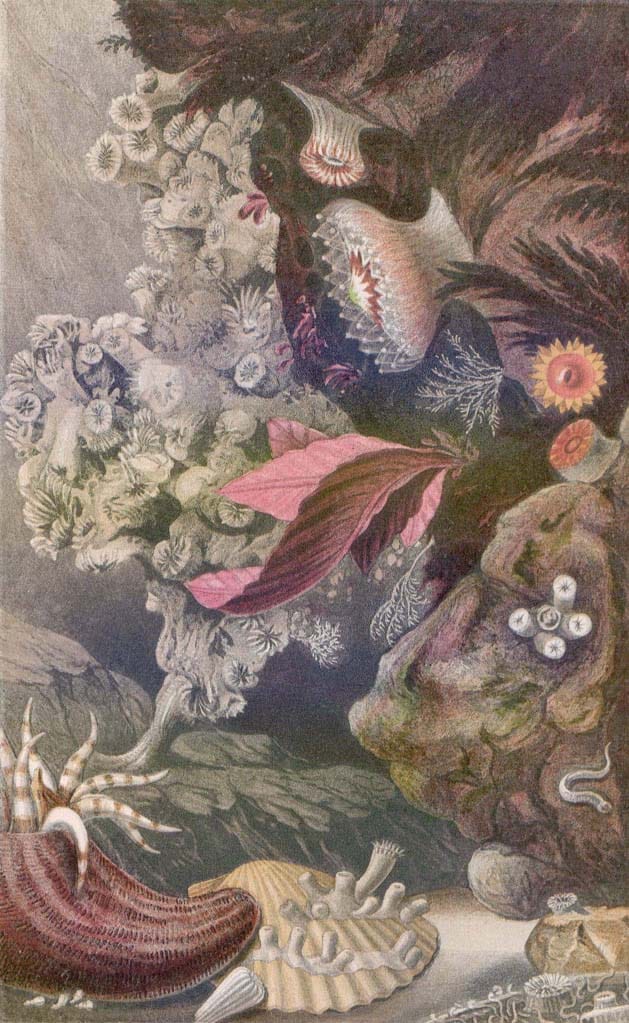
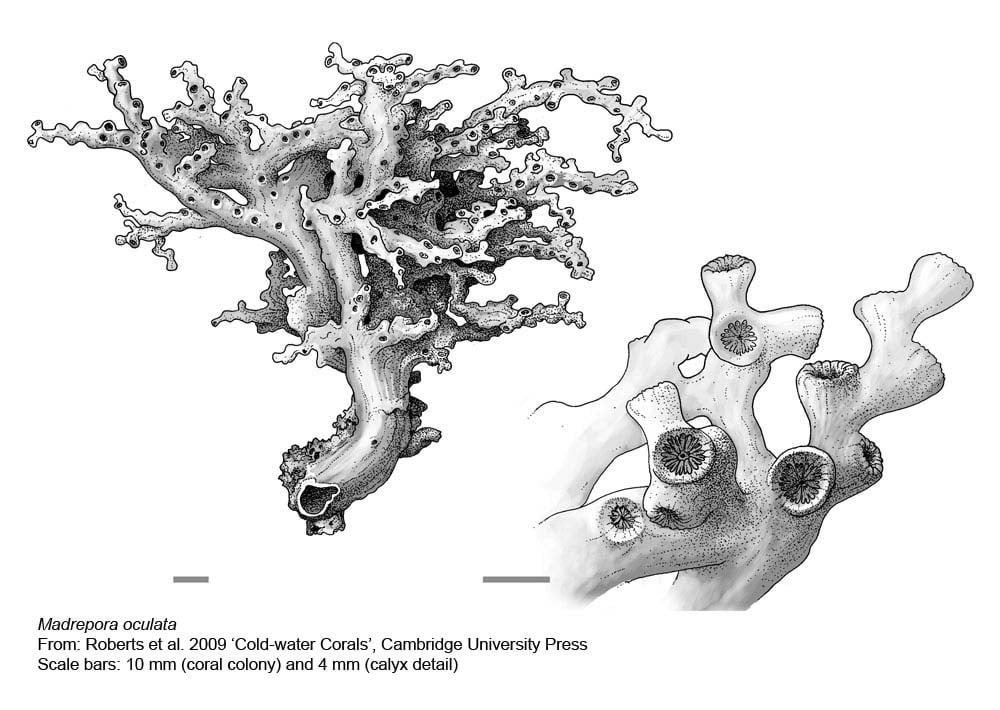
The book also includes specially commissioned illustrations by the Californian scientific illustrator and artist Amadeo Bachar. Browse the galleries below to see Amadeo’s beautiful illustrations of cold-water corals and his unique artist’s impressions of the habitats they form.
For more photographs, and video clips from cold-water coral habitats, browse www.lophelia.org
Cold Water Corals: The Biology and Geology of Deep-Sea Coral Habitats
Scleractinian corals
Octocorals
Coral habitats
Teaching Resources
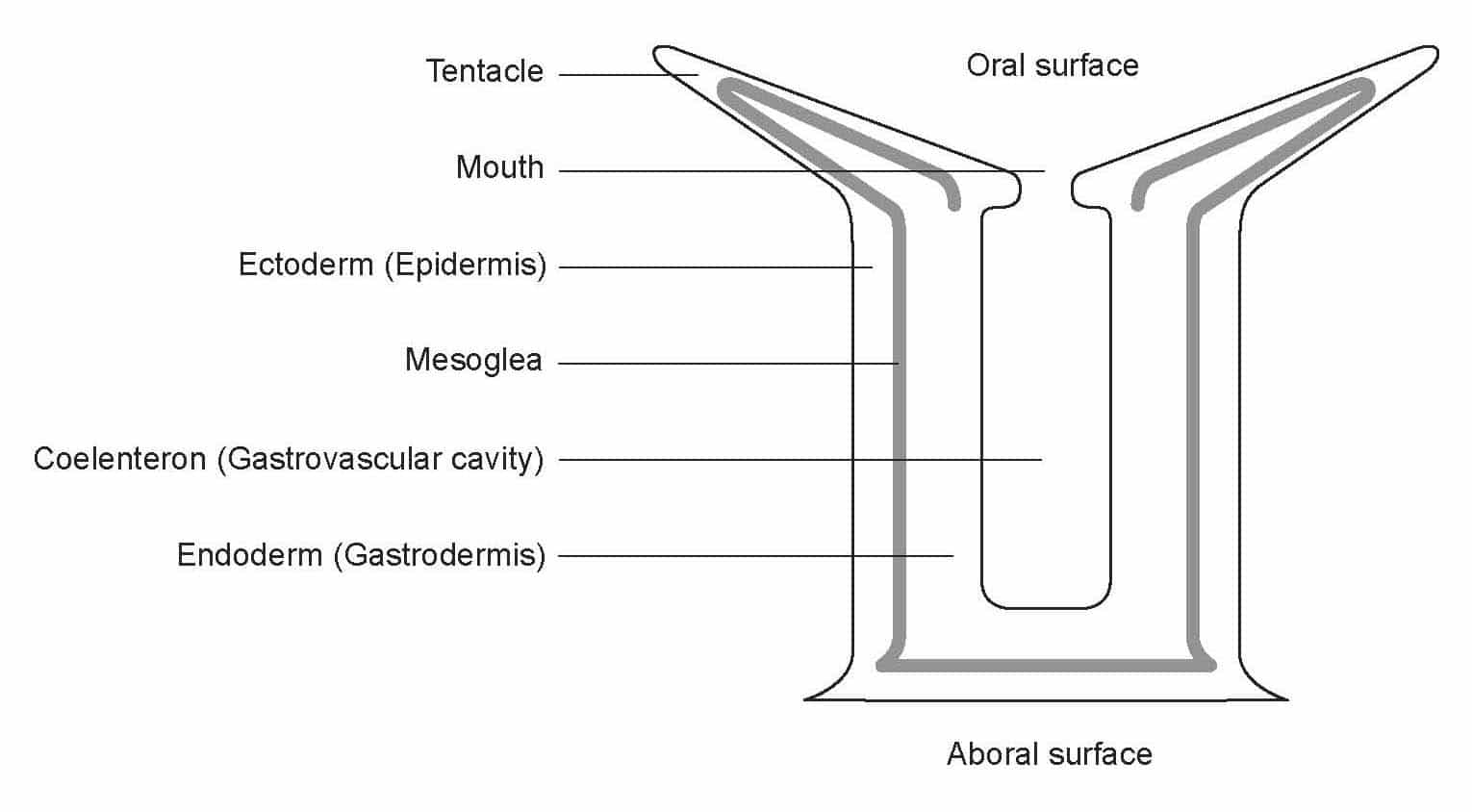
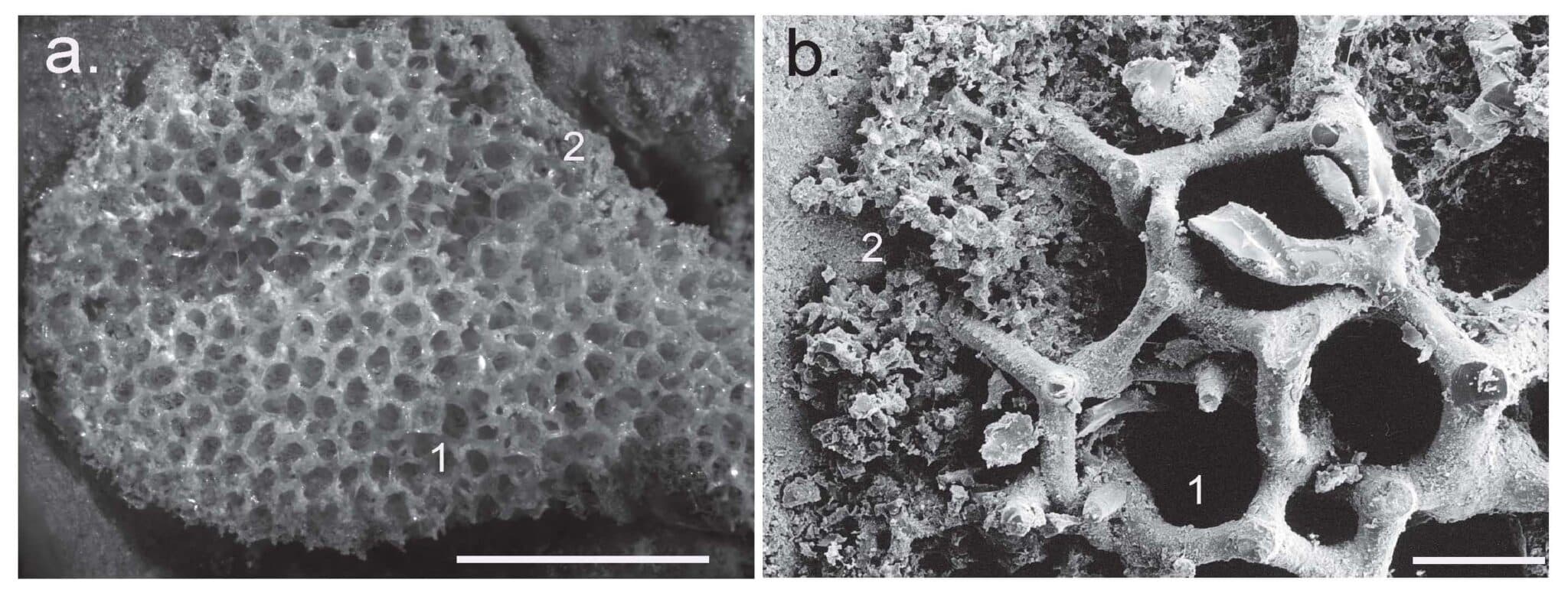
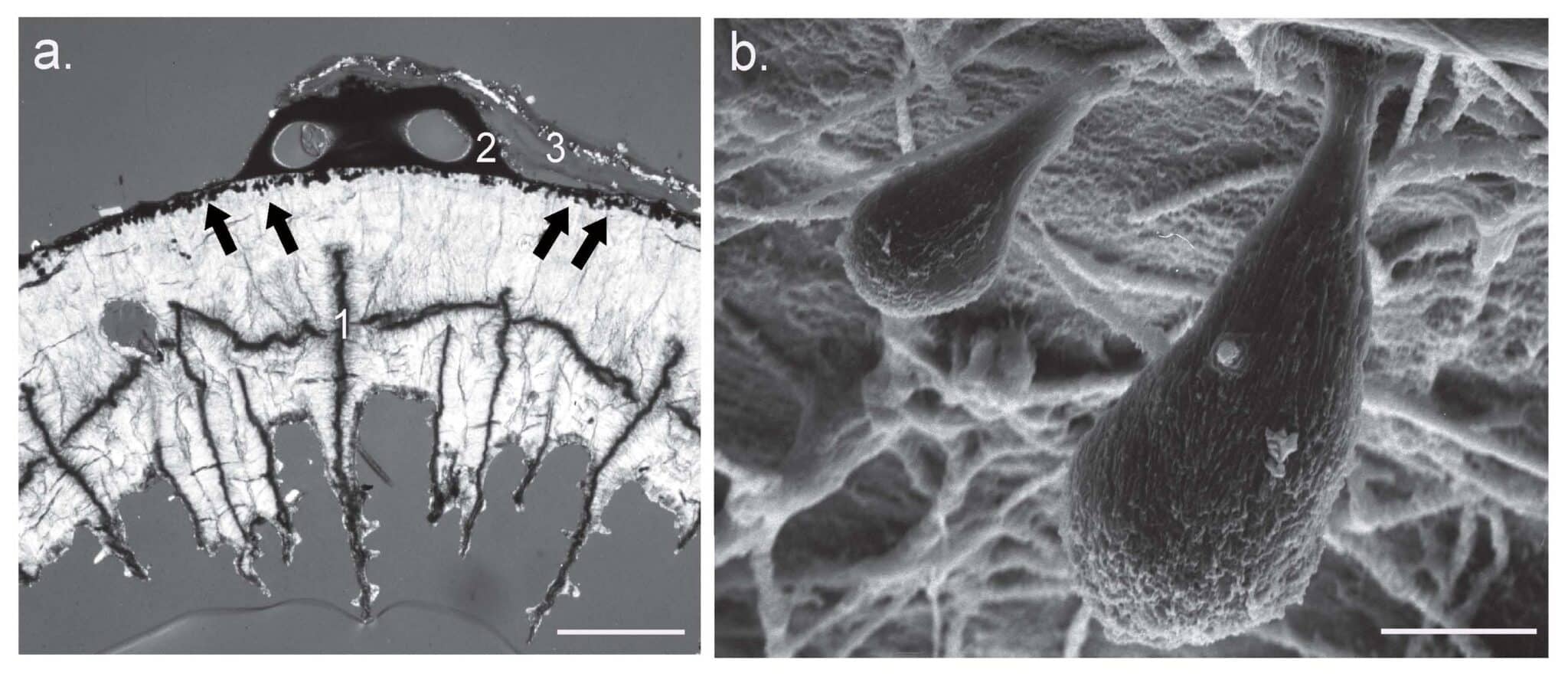
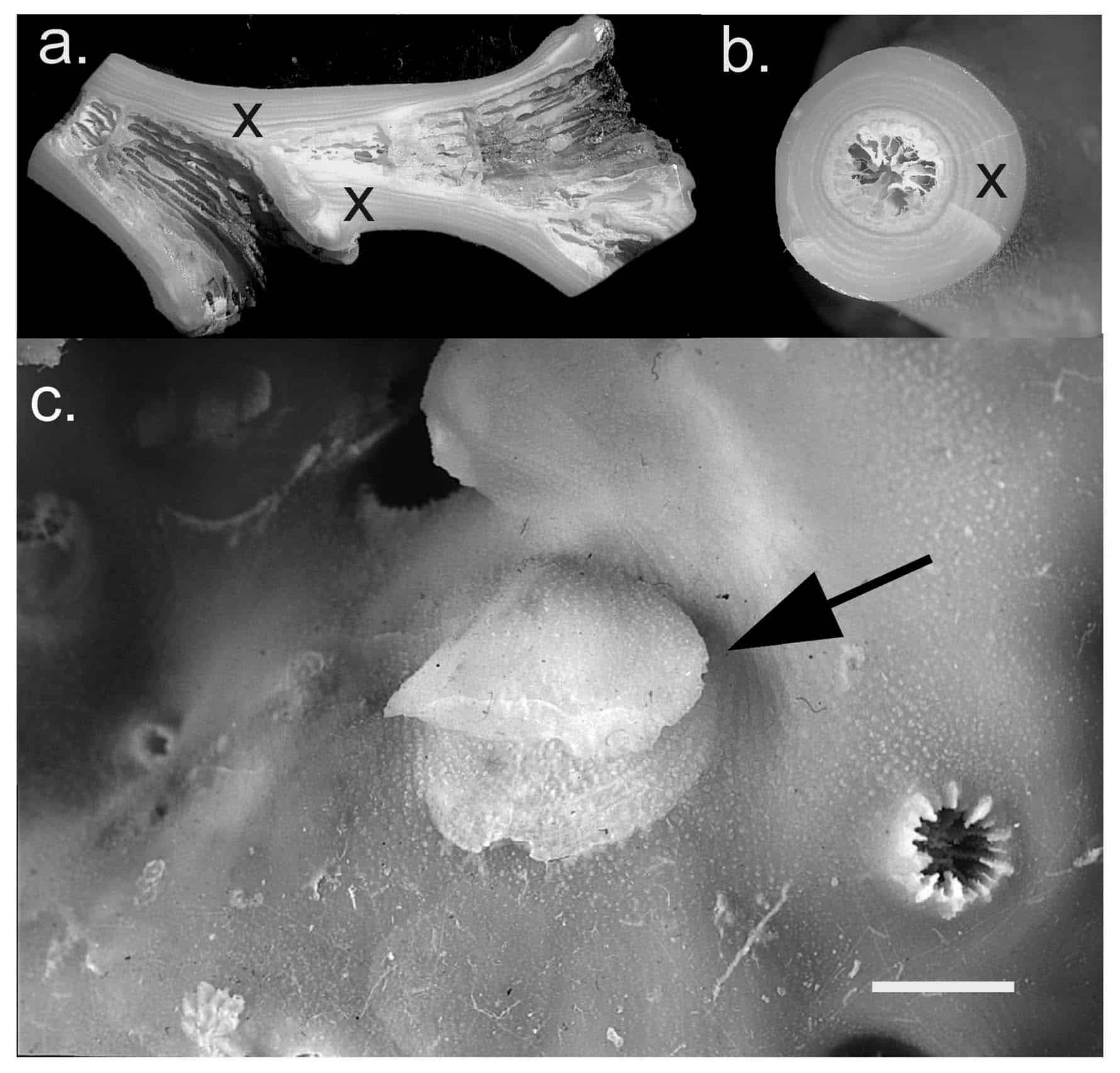
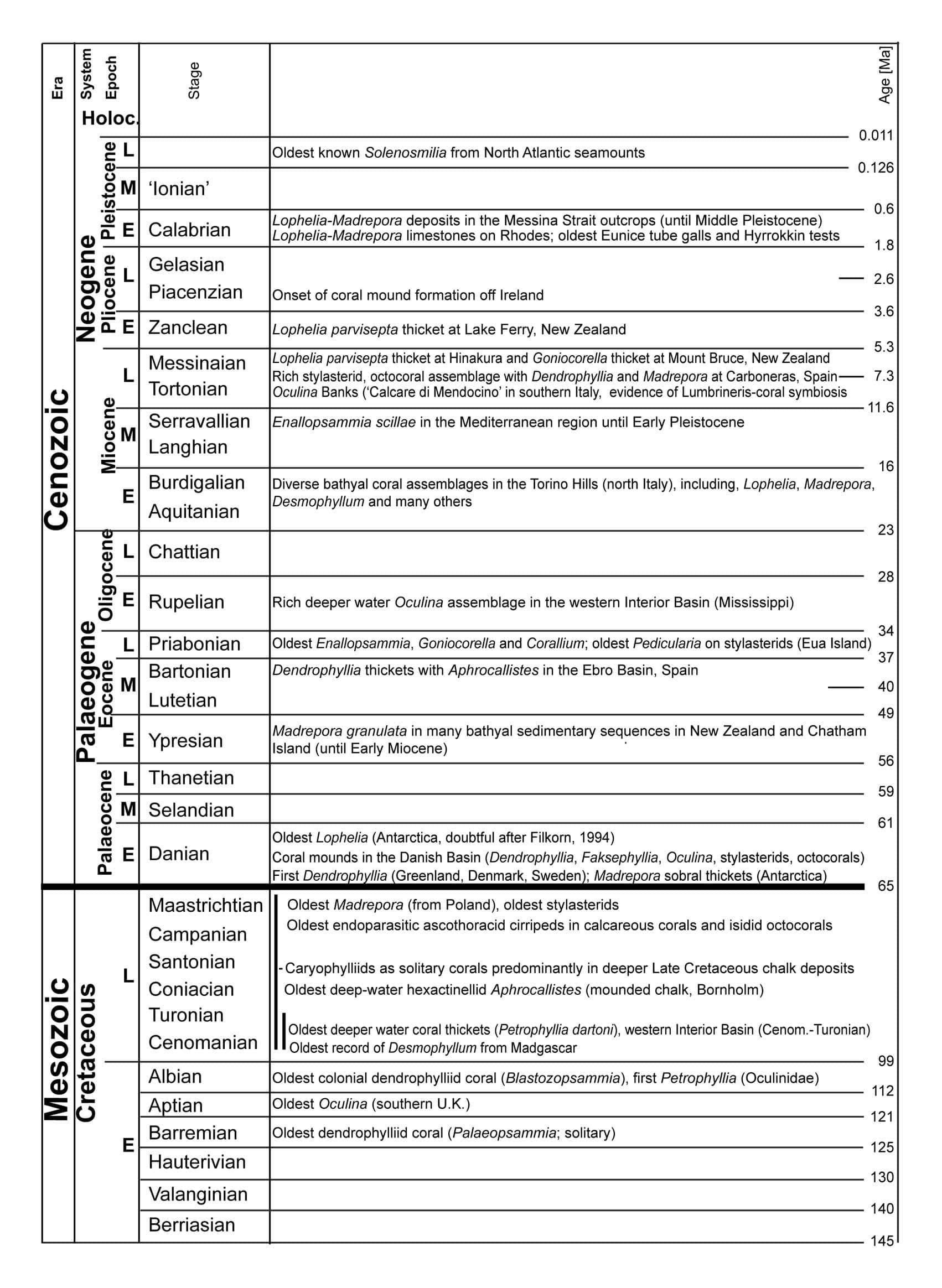
Where copyright allows, we have prepared jpeg graphics of figures from Cold-water Corals to be used in lectures and other teaching materials. Click the thumbnail links below to download individual figures. You can also download a Word file with the Figure Captions.
In addition, Cambridge University Press have loaded original graphic files from ‘Cold-water Corals’ onto their Resources and Solutions webpage. Once again, only those figures where copyright allows online reproduction are provided.
Please acknowledge their source as follows:
Cold-water Corals (Cambridge University Press)
© 2009 JM Roberts, A Wheeler, A Freiwald and S Cairns
Figure downloaded from www.lophelia.org/cold-water-corals-book
Chapter 1
Chapter 2
Chapter 3
Chapter 4
Chapter 5
Chapter 6
Chapter 7
Chapter 8
Colour plates
Reviews
‘This book aims to summarise and synthesise the state of the art of this rapidly developing, strongly multidisciplinary field of research, which expanded almost exponentially over the last 20 years… As the book is crossing the boundaries between biology, geology, chemistry and physics, the main group of users will be the advanced students and professionals with a keen interest in the fascinating and exciting world of Cold Water Coral research.’
Prof Tjeerd CE van Weering, Netherlands Institute for Sea Research
The EGGS, European Geosciences Union Newsletter, Issue 36, October 2011
‘This is an absorbing, well-written, book that does an excellent job of concisely presenting a huge amount of information. It is enhanced by excellent illustrations and figures, a glossary and case studies, as well as online supplementary material…those with an interest in marine science will find it a great addition to their bookshelf.’
Owen Jones, British Ecological Society
The Bulletin, Volume 41(4), 2010
‘If only I were a mermaid! That was my first thought on reading this exemplary book on cold-water corals… the four writers adapt style to content with flair, and the range of subject matter presented will keep readers on their toes and turning the richly illustrated pages with anticipation and satisfaction. It is a real gift of this volume to bring together what too often is dealt with separately; thus organismal level biology is side-by-side with habitat ecology, the present is next to the evolutionary past, highly academic discourse is flanked by descriptions which convey a very palpable excitement and awe regarding the challenges faced by deep-sea researchers… For those of us unlikely to become mermaids any time soon, this book is as good as it gets.’
Dr Francesca Marubini, School of Biological Sciences
University of Aberdeen, UK
Ocean Challenge, Volume 17(1), 2010
‘There is a race going on between the scientific exploration of one of the most fascinating marine ecosystems and its possible destruction… Four experts have teamed up to assemble the current knowledge on these systems under siege. The result is a book containing a wealth of detailed information and instructive illustrations, spanning all aspects of this wonderful world in the dark ocean.’
Professor Jörg Ott, Department of Marine Biology
University of Vienna, Austria
Marine Ecology, Volume 31(4): 643-644, 2010
‘Cold-Water Corals is the first comprehensive synthesis of one of the most active areas of current deep-sea research… It is highly recommended to scientists and students looking for a basic introduction on the topic of cold-water corals.’
Dr Sandra Brooke, Director of Coral Conservation
Marine Conservation Biology Institute, USA
Oceanography, Volume 23(1), 2010
‘Corals of shallow, warm water areas are most familiar to people, and most easily studied. This book opens to us a whole new world of cold-water corals… Whether you want a highly technical discussion on coral biology, or just a fascinating glimpse into a unique and beautiful world, this book has it all.’
Andy Hamilton
Biodiversity, Volume10(4): 47-48, 2009
‘This volume represents a major benchmark in our understanding of deep-water coral habitats and provides a springboard for the continuing studies of these dynamic and biodiverse environments in the deep sea.’
Professor Paul Tyler, National Oceanography Centre
University of Southampton, UK
‘A must for anyone interested in this fascinating but still poorly known deep-sea fauna.’
Dr Tony Koslow, Director, California Cooperative Oceanic Fisheries Investigations (CalCOFI)
Scripps Institution of Oceanography, USA
‘Roberts, Wheeler, Freiwald and Cairns have produced a remarkable text that will set the standard for many years to come.’
Professor Imants G. Priede, Director, Oceanlab
University of Aberdeen, UK
‘The major merit of this book is both to demonstrate the richness of cold water coral ecosystems and their ecological complexity but also their vulnerability, the gaps in our knowledge and the need to protect them rapidly, especially those found within the High Seas outside of any current jurisdiction.’
Professor Denis Allemand, Scientific Director
Centre Scientifique de Monaco
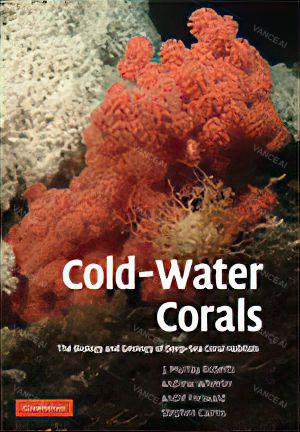
Order the book
Published April 2009 by Cambridge University Press
Also available from Amazon.com and other retailers
The authors
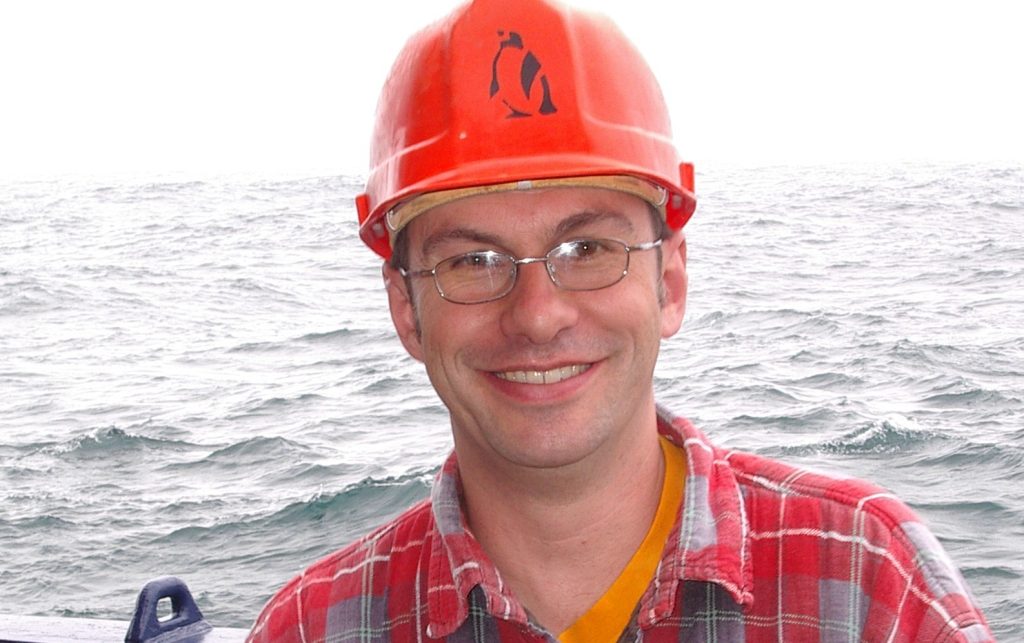
J Murray Roberts
J. Murray Roberts studied biology at the University of York before a PhD at the University of Glasgow on micro-algal symbiosis in sea anemones. He joined the Scottish Association for Marine Science in 1997 where he began working on the biology and ecology of cold-water corals. In 2006 he was awarded a European Marie Curie fellowship to work at the University of North Carolina Wilmington, USA. He has published over 30 papers in the primary literature and written articles for New Scientist and BBC Wildlife magazine among others. He edited the 2005 Springer volume ‘Cold-water Corals and Ecosystems’. In September 2009 he joined the School of Life Sciences at Heriot-Watt University (Edinburgh) as a Reader in Biodiversity and was appointed Professor in August 2011.
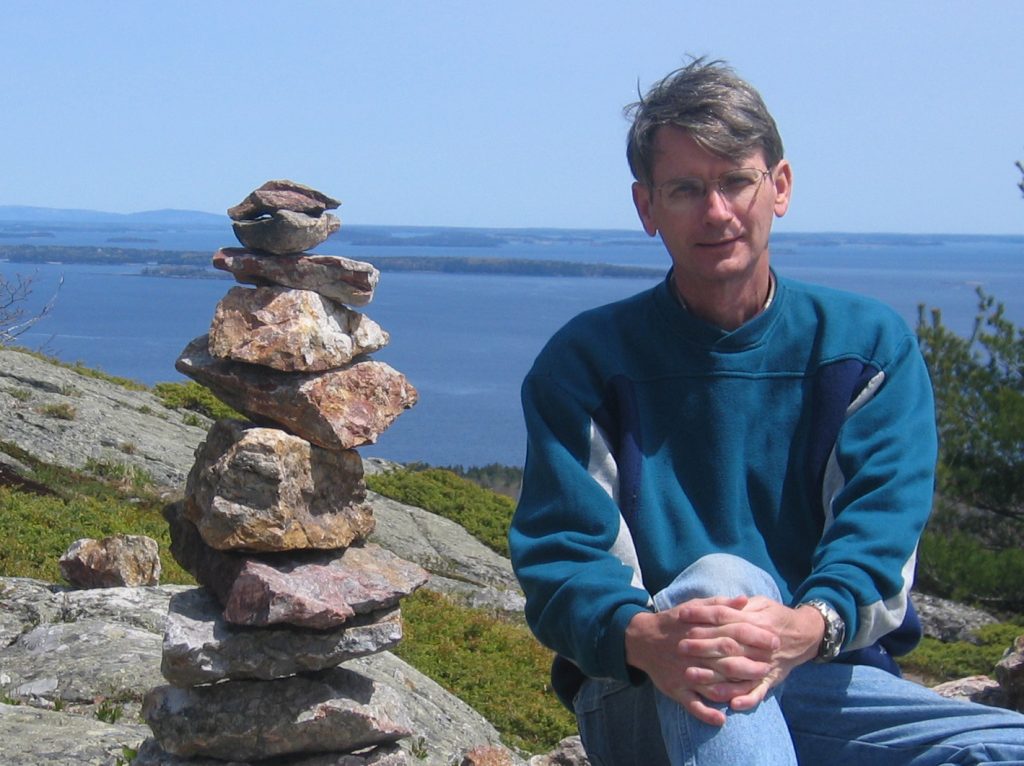
Andrew Wheeler
Andrew Wheeler studied geology at University of Liverpool followed by a PhD at the University of Cambridge and post-doctoral fellowship at The Queen’s University Belfast. He is currently Senior Lecturer (Department of Geology) and co-ordinator of marine and freshwater research (Environmental Research Institute) at University College Cork, Ireland. Since 1997 his research has focused on the seabed mapping and sedimentology of cold-water coral carbonate mounds. He has published over 35 articles in international journals and is presently coordinator of a European coral carbonate mound seabed drilling program.
Andre Freiwald
André Freiwald studied palaeontology and marine zoology at the University of Kiel before a dissertation on north Atlantic postglacial coralline algae. He then moved to the Fachbereich Geowissenschaften at Bremen University and started his work on cold-water corals as a post-doc in 1994. In 1999 he was awarded with the Heisenberg Grant of the Deutsche Forschungsgemeinschaft and was appointed for a professor in palaeontology at the University of Tübingen in 2000. From 2002-10 he was chair of palaeontology at the GeoZentrum Nordbayern, Erlangen. In 2010 he moved to the Department of Marine Science at the Forschungsinstitut Senckenberg. He has published over 54 scientific papers in the field of cold-water corals, cool-water carbonates and bioerosion. He edited the 2005 Springer volume ‘Cold-water Corals and Ecosystems’ and is chief editor of the journal Facies.
Stephen Cairns
Stephen Cairns has worked at and only at the Smithsonian Institution for his 32 year career, during which he has published about 130 articles on living and fossil deep-water corals, including Scleractinia, Stylasteridae, Octocorallia, Antipatharia, and calcified hydractiniids. He is a systematist, having described approximately 350 new deep-water coral species from around the world. He was the first to publish a complete list of the deep-water scleractinian corals and to determine that deep-water corals outnumber their shallow-water counterparts. Cairns is very involved with the Biological Society of Washington, having served as its President, Secretary, and invertebrate editor.